

Hedgehog (c) Amy Lewis
Helping hedgehogs
Who doesn't love hedgehogs? They're found in gardens, hedgerows, woodlands, grasslands, parks and cemeteries - which are all important habitats. Adult hedgehogs travel 1-2km over area's as big as 10-20 hectares, per night! An important and easy action to help hedgehogs is giving them freedom to access the green spaces.
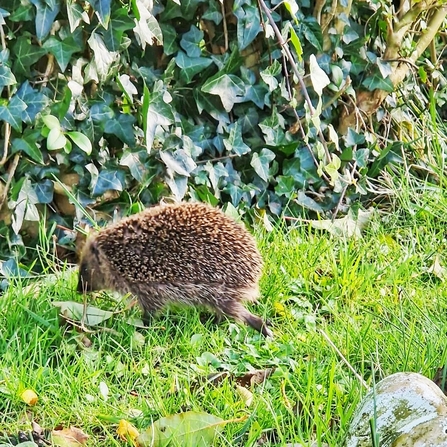
Nicola Pidgeon
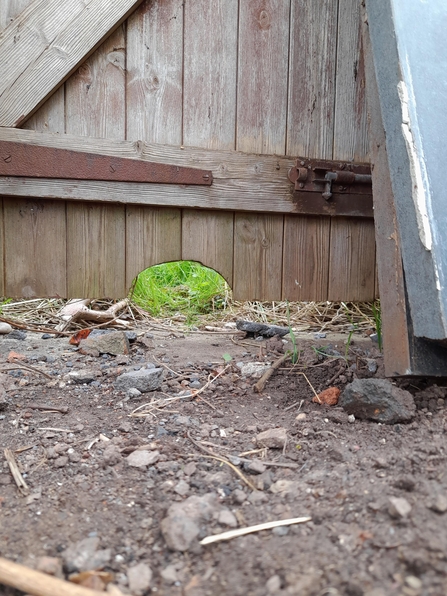
Sophie Bancroft
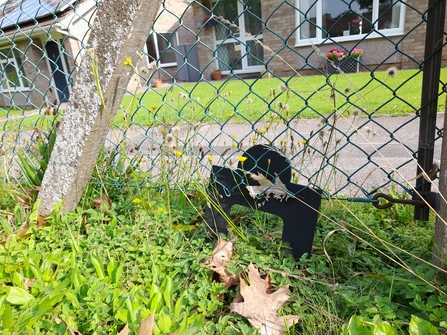
Sophie Bancroft
Hedgehog holes and hedgehog highways
Above are some great pictures of how you can help hedgehogs at home, in the community and at school.
Tom in Bedminster, BS3 in Bristol made his garden more accessible for hedgehogs by cutting a hole in his fence/garden gate. This hedgehog hole was cut by himself and he also got together with neighbours so that their street and neighbouring streets do this as well. An active local group, the BS3 Hedgehog Project promotes, supports and champions helping hedgehogs locally.
The Thornbury Community Permaculture Project have added many hedgehog holes around the site (a council owned retirement home), as well as using permaculture principles to grow a variety of organic plants and providing habitats to work with nature and encourage wildlife. Various hedgehog houses are also located around their green space, near to ponds and long grasses.
Nicola in Brislington, BS4 in Bristol has many wildlife encounters in her garden, including hedgehogs. Her and her neighbours all have hedges, which allows our spikey friends to roam free looking for food, shelter and water.

George Cook
Wheatfield Primary School in Bradley Stoke, South Gloucestershire, have focused on hedgehogs as a school topic and added many actions for hedgehogs to raise awareness for pupils, teachers and parents of what can be done on the schools grounds as well as at home and in the local community.
HOW TO: Create a hedgehog hole
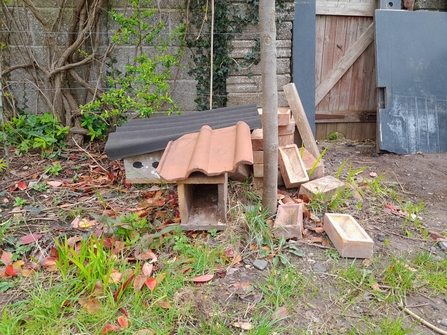
Hedgehog houses and hibernation
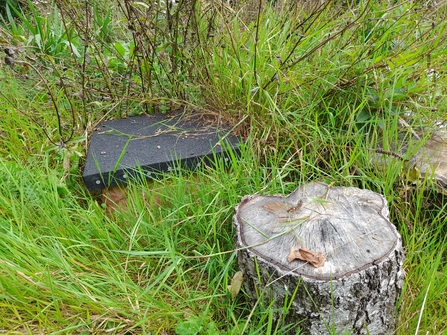
Sophie Bancroft
Sophie Bancroft
Hedgehogs, bats and dormice truly hibernate in the UK. Hedgehogs go into a state of 'torpor' from October/November to March/April, where their body temperature and metabolism slows down to save energy. They must be healthy and well fed before going into hibernation.
Don't disturb hedgehog hibernation habitats which can be in piles of leaves, dead wood piles, compost heaps and under sheds/pots/decking. If you accidentally disturb one - cover it back up straight away or take to a hedgehog rescue if injured.
HOW TO: build a hibernation box

WildNet - Tom Marshall
A hedge for the hog and nesting materials
Planting hedges with medium sized leaves, provides nest materials for hedgehogs. Plus hedges allow them to travel around, creating a natural hedgehog highway. It is recommended to leave out nesting materials in the garden for hedgehogs to build their nests - e.g. dry hay, leaves.
More about: Native hedges and dead hedges
What do hedgehogs eat?
Hedgehogs are known as amazing pest controllers by eating slugs and snails! They do eat them, but this is only a small part of their diet, a much lager part is made up of beetles, worms, caterpillars and other invertebrates. Especially before hibernation, it is important for hedgehogs to have eaten well!What to feed hedgehogs and badgers
TIP: Encourage insects in your garden to encourage hedgehogs, by planting a variety of plants and creating habitats such as bug hotels and log piles etc.
HOW TO: Build a bug hotel

Caroline Rigg
How to help hedgehogs
- Allow access to our gardens and community green spaces with hedges and holes in or below fences.
- Get together with neighbours to create a hedgehog highway.
- Plant a variety of plants, let some grass grow long and create good habitats for insects, to feed hedgehogs.
- Avoid using chemicals/pesticides in outdoor spaces.
- Build a hedgehog house at home or in the community. Or leave leaf and log piles for hedgehogs to nest in.
- Hold a community event to build hedgehog houses.
- If you have a pond - great! Make sure there is a plank or shallow end for hedgehogs to easily exit the pond.
- Log hedgehog sightings on hedgehogstreet.org.
Why hedgehogs need helping...

(C) Tom Marshall
Hedgehogs were once a common sight in our gardens, green spaces and the countryside. Hedgehog numbers in the countryside have have fallen by 30-75% in the last 20 years and there are now thought to be fewer than 1 million left in the UK. Hedgehogs are disappearing from our countryside as fast as tigers are worldwide.
With Team Wilder, all small actions for nature make a big difference collectively. Providing habitat space for hedgehogs to eat, shelter and breed in your garden and community WILL tip the balance in nature's favour. Take action for nature on your patch, talk about what you're doing with others and inspire and motivate others to do the same.

© Jon Hawkins Surrey Hills Photography
Emma's hedgehog haven in Ashley Down, Bristol
How one resident sparked a local movement for urban wildlife
Living in Ashley Down, Emma hadn’t grown up seeing hedgehogs and never imagined they could be living in such a residential part of Bristol. But after reading alarming statistics about wildlife declines, she wanted to do something locally. Her small action sparked passion, curiosity and community spirit and made a difference.
Around summer 2024, Emma joined online hedgehog groups and learned about creating access points, food stations, and simple monitoring techniques. She cut a hedgehog hole in her (broken) fence and set out a trail camera and a footprint trap, assuming not to find anything.
Two weeks later, her motion light flicked on. A fox. And then a huge hedgehog!
Actions taken to attract hedgehogs
1. Access
Cut a hedgehog hole in her fence (with neighbour permission). Encouraged others to add holes too, creating a growing hedgehog highway through the neighbourhood.
2. Monitoring
Used a simple tray with sand for footprint traps. Trail camera (nature‑spy Wi‑Fi) to monitor movement, nesting, and feeding behaviour. And share sightings with neighbours.
3. Food & Shelter
Started with homemade feeding stations (plastic storage boxes with a hole cut in the side). Offered kitten biscuits (recommended by rescues) rather than wet food or low‑grade “hedgehog food” with less than 65% meat content. Added nest boxes locally and encouraged neighbours.
4. Learning
Joined the Facebook group Hedgehogs!. Asked questions, shared photos, and received advice. Started volunteering at a hedgehog rescue one day per week, deepening her knowledge and confidence.
5. Local awareness
Shared videos and sightings on her street WhatsApp group. Referred to them as “our hedgehogs,” helping neighbours feel connected. Spoke gently with neighbours about strimming, bramble cutting, and potential hazards in gardens. Added a sign to say there were hedgehogs.

Hannah Bunn
Impact in just 18 Months: A growing community!
From zero sightings to 4–5 hedgehogs regularly visiting her tiny urban garden! Emma has also inspired local action with some neighbours adding holes, habitat and food. New local connections have been made with conversations starting.
Emma’s advice for anyone wanting to attract hedgehogs:
“Start small so you don’t get over-whelmed.” Just a single gap in a fence can change everything.
“Be patient with others.” People don’t always act straight away, but gentle encouragement and sharing your own joy goes a long way.
“Prepare to fall in love.” Because once you see a hedgehog trotting across your garden at night, you’ll never look at your space in the same way again!
Hedgehogs matter!
Emma’s story shows that real, meaningful wildlife recovery begins where we live - in our gardens, lanes, and unloved corners. You don’t need expertise or a big garden, just curiosity and a willingness to make space. If Emma can build a mini hedgehog hub in urban Ashley Down, many others can too.
Resources
Home - Hedgehog Street or Hedgehog habitats - Hedgehog Street where they live


Be part of Team Wilder
All actions for nature collectively add up and creates life for people and wildlife.
Share your actions for nature to inspire and motivate others.
Talk about what you do to make these actions part of everyday life.
Share and tag us on @avonwt on social media as well.
Log your actions for nature on the map

