

Gillian Day
Team Wilder: Create a Community Nature Reserve
What is a Community Nature Reserve?
The idea of a Community Nature Reserve is to take an entire block of land with a mixture of dense housing, semi-green spaces and wilder places and not just declare it a nature reserve, but bring the community together to join up the green spaces and encourage greater wildlife friendliness.
Just like Team Wilder, all small actions for nature collectively make a big difference.
A Community Nature Reserve makes way to notice, celebrate, protect and enhance the nature on our doorsteps. Every space has an opportunity to take part as it is part of something bigger. A community where all life is thriving together, however relevant to that area.
It’s a network of connected green spaces, including gardens, parks, allotments, verges, cemeteries and even unexpected habitats like car parks. These often fragmented habitats are viewed as one large area, with the aim to join them up. This supports local wildlife, increases biodiversity and shares local knowledge and support in the community, through the shared purpose of improving the area for people and wildlife.

Caroline Rigg
A community nature reserve is a place where everyone has the opportunity to celebrate and create space for nature… in a way which is meaningful for them.Avon Wildlife Trust
Why have a Community Nature Reserve?

Caroline Rigg
Reasons to set up a Community Nature Reserve are unique to each area, but some common motivations include:
- Combating eco-anxiety by taking practical, local action. Feeling less alone with environmental concerns.
- Building local resilience and solidarity by connecting people with each other and nature.
- Seeing actual change when nature is given space.
- Making taking action for nature a social norm.
What are the benefits?
Wildlife Corridors
Encouraging wildlife-friendly gardens, small spaces, and public open space, can help form a wildlife corridor across a neighbourhood. Wildlife corridors are important because they can provide:
- Habitat Connectivity: Linking isolated patches of woodland, wetland, or grassland. In an urban setting, this could also translate to include patches of brownfield land (often great for plants and insects), rainwater gardens, surface water capture (SUDs), diverse walls full of plants, planters, green roofs, and living walls.
- Genetic Flow: Prevents inbreeding by allowing animals to find mates from other populations.
- Resource Access: Enables movement to find food, water, and shelter.
- Climate Resilience: Supports species adapting to changing climates, including humans!
Public Health
Evidence shows that a thriving, wildlife-rich environment benefits both physical and mental health. People with nature on their doorstep are more active, mentally resilient and have better all-round health. Beyond individual health, nature-rich areas provide broader community benefits.
- Better air quality: Trees and shrubs in urban areas help capture CO2 and other pollutants like particulates, improving local air quality.
- Climate resilience: Green and blue spaces help mitigate the effects of climate change, such as reducing the "heat island effect" in cities and absorbing water run-off to reduce flood risk.
- Social cohesion: Parks and green spaces provide opportunities for social interaction, community engagement, and building local networks, which can reduce loneliness and social isolation. CNRs bring people together.
Stephanie Chadwick
Laura Murgatroyd
How to get started with a Community Nature Reserve
Find other like-minded people in your community who you can bounce ideas off and collaborate with. It’s hard to do this alone, so building your support network is key. You can do this by putting up posters, posting in local Facebook groups, or attending existing community events. Perhaps you can invite local people interested in nature to the local cafe for a cuppa and a chat or join a coffee morning.
Check the Team Wilder map to see active groups in your area.
How do I get people involved? How have other people or groups promoted their CNRs?
Contact your local community organisations, Friends of groups, Town or Parish Council, neighbourhood trusts, community centres, or the local housing association – do they have any nature-based projects that already exist? Can you work together? Talk to your neighbours.
Caroline Rigg
Caroline Rigg
Caroline Rigg
Caroline Rigg
Martin Elkins
Caroline Rigg
Caroline Rigg
Caroline Rigg
Caroline Rigg
Create a plan
There are lots of different ways to set up a Community Nature Reserve which all depend on the vision of your community, your resource and time limitations, and the needs of local species. You could start with:
- Community vision: ask local people what species they're excited about? Who do they see in the neighbourhood regularly? Who would they like to see more of in the future? Is there a particular species that was prominent in your area years ago which has declined and needs a helping hand? Your plan could focus on creating a Community Nature Reserve focused on supporting a species, such as hedgehogs, house sparrows, swifts, toads, or pollinators. What would success look and feel like for you and your community?
- Is there a green space in your community you’d like to use as a base and work out from? Perhaps you have a local nature reserve which you could use to start encouraging streets immediately around the reserve to cater for wildlife in their gardens.
- Gaps in connectivity, you can use google maps or google earth to look at your neighbourhood as a whole. Are there any green (trees, grass, hedges) or blue (rivers, brooks, streams, wetland, ponds) corridors? Are there gaps or blockages in these corridors where you can focus your efforts?
- Space type, does your community have lots of a certain type of space which could form the basis of a Community Nature Reserve, such as front gardens, balconies, street verges, planters?
- A community launch event, where you invite local people to come and find out more about the Community Nature Reserve, share their ideas and get involved.
Common first steps include: mapping local gardens and green spaces, talking to neighbours and existing groups and using small events or surveys to build momentum.
John Holland
Barney Smith
John Holland
Barney Smith
I have a Community Nature Reserve - how do I keep it going?
Some local advice and ideas to consider:
- Growing your group, what skills do local, interested people have and what are they looking to build skills in? Can you all work together to help run/steer the Community Nature Reserve.
- Formalising your group, becoming a constituted group can make it easier to apply for pots of funding.
- Clear communication channels keeps local people in the loop about activities and wildlife sightings . E.g. Newsletters, social media or WhatsApp posts, local flyers in cafes and noticeboards.
- Joining or organising events to bring people together, celebrate progress, and invite new people.
- Wildlife monitoring can show real impact.
- Mapping who’s involved.
- Share wildlife resources.
- Start a campaign together like No Mow May.
- Create a welcome pack.
- Get funding to expand the offer to the group with events or buying kit such as tools, monitoring kit (night time camera traps to lend out) or planting wildflowers locally.
- People are brought together through many different ways, not just nature. It could be through food (meals, traditional recipes, growing food, tea and cake, local cider), memories of the area (linked with visions for the future), music, art and crafts, exercise, family events or learning/talks.
How to support Community Nature Reserves as a Parish or Town Council
Parish councils are well placed to support Community Nature Reserves, working alongside local groups to protect and enhance the places that matter most to their communities. Community Nature Reserves directly enhances local quality of life and protects local wildlife, offering benefits for local people, such as access to green space and improving wellbeing. Community engagement and volunteering opportunities increase, encouraging local pride and ownership, helping parish councils stay connected and community‑focused.
Climate and flood resilient communities are better prepared for extreme weather conditions. They align with policy goals to help Parish Councils contribute to biodiversity, climate action and public health priorities, strengthening funding bids and partnerships.
Things worth considering for Parish Councils to effectively support Community Nature Reserves:
- Holding funds on behalf of your local Community Nature Reserve Group(s), bank accounts can be a barrier for early emerging groups.
- Providing storage space for kit, which could include display boards, foldable tables, and wildlife monitoring kit.
- Offering free or reduced rate space hire (if you have community assets) that can enable the group to bring local people together.
- Collaborating with local people and CNR group on a plan for nature at neighbourhood level. Can the priorities of local people and local species help inform the Local Climate and Nature Plan? Plans informed by local voice are more likely to succeed in the future and provide a longer lasting impact.
- Sharing information about who owns patches of land in your area, and who manages them. Are there any opportunities for your assets to be cared for differently to meet the objectives in your co-created plan for nature? Are local people interested in having more ownership over shared public land? *insert link to RWL toolkits?*
- Support local group with community events, through volunteering, space hire, funds, kit and resources, use your network to bring lots of different people together. Successful plans consult a diverse range of voices – just like in nature diversity is key.
- Celebrate the efforts and achievements of local people, sounds simple but appreciating the skills and efforts of local people goes a long way! Recognise the potential power dynamic and imbalance between institutions such as local councils and councillors and local people. How can the Council empower local people and raise them up? Community Nature Reserves and LCNAP’s should be community-led.
- Support groups with policies, such as advice about holding data and GDPR, safeguarding, insurance at events etc.
Existing Community Nature Reserves in Avon
BS3 Greater Bedminster Community Nature Reserve
Ben Barker, one of the founders of Blooming Bedminster and numerous local wildlife projects, created a form for BS3 residents to complete about wildlife sightings and habitats in their gardens. BS3 residents registered their front and/or back garden spaces to be part of the ‘urban nature reserve'.
Wildlife friendly features include: water features, bushes, wood pile, bird box, pollinator friendly plants etc. Sightings of mammals, birds, insects and amphibians are also recorded and shared with the group.

BS3 Patchwork Community Gardening Group Laura Murgatroyd
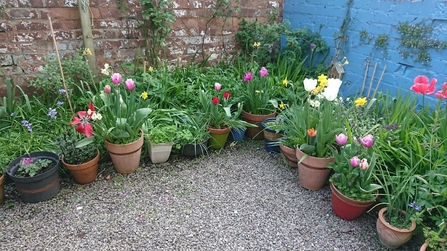
BS3 Patchwork Community Gardening Group meet up to make their neighbourhood more attractive to residents and wildlife, by converting neglected patches of land into community gardens. Their patches of land have been added to the BS3 Greater Bedminster Urban Nature Reserve.
Emersons Green Community Nature Reserve
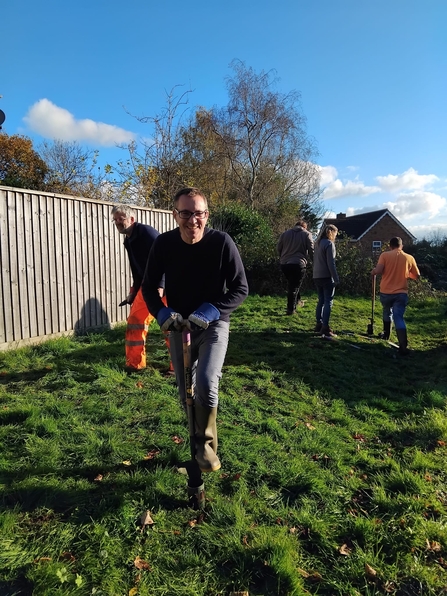
Emersons Green Town Council launched their Community Nature Reserve in January 2023, encouraging local residents to register their garden and introduce a nature‑friendly network of private gardens and council‑managed land (including Blackhorse, Lyde Green and Mangotsfield). Over 250 residents registered their garden! Local events share knowledge and bring people together.
The organisers are part of the community and Friends of Emersons Green Park group, and have strong links with the Parish Council and organise Earthfest. Daily conversations with locals and a welcoming approach helped build momentum, with word of mouth playing a major role. Their welcome pack includes free seeds, a letter and a window sticker to raise awareness and pride.
Community Nature Reserve in Emersons Green (https://www.youtube.com/watch?v=4M0ktPRPizI)
Common Connections, South Gloucestershire Council

Emerson Green Town Council
A year‑round events programme continues to bring people together, including seed swaps, seasonal gatherings, sustainable fashion shows and other community‑led ideas. These activities support learning, connection and shared enthusiasm for wildlife gardening and sustainable living.
Registering gardens helps build a visible, collective movement. Window stickers create local buzz, demonstrate community support, and encourage others to join. Registration also enables collaborative micro‑projects, such as creating hedgehog corridors between neighbouring gardens, and shows local councils and businesses that residents care about the environment.
Becoming a community nature reserve will help us realise the potential of our own gardens, learn to value the wildlife around us, care for it and recognise ourselves as part of the great community of life.Emersons Green Town Council
Avon Wildlife Trust
Paul Walker
Paul Walker
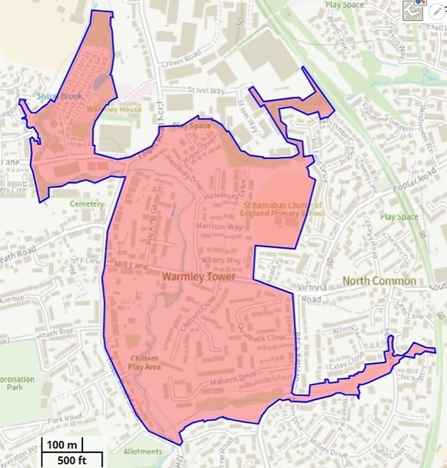
Warmley Community Nature Reserve
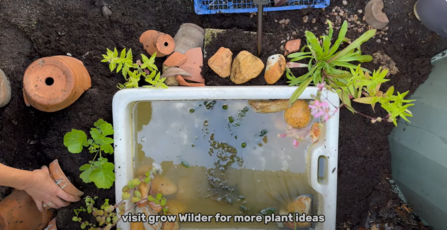
Warmley Community Nature Reserve in South Gloustershire was developed with created with the help of Avon Wildlife Trust, bringing local residents together to view the entire area as a nature reserve, working together to improve the neighbourhood for people and wildlife. Events and advice about creating important habitats in gardens, allotments, window boxes and open spaces helped spread the word. The local council championed this scheme to help create important wildlife corridors to let biodiversity flourish.
Advice from Paul, Warmley Community Engagement Officer:
Work together with local organisations to reach more people. In Warmley great partnerships include the Kingswood Herritage Museum, Men in Sheds, local churches and local schools. Partnerships save time and meet people where they already are.
Form a steering group to help make decisions. A Facebook group is also great for everyone to share their gardens, advice, ask questions and share wildlife sightings.
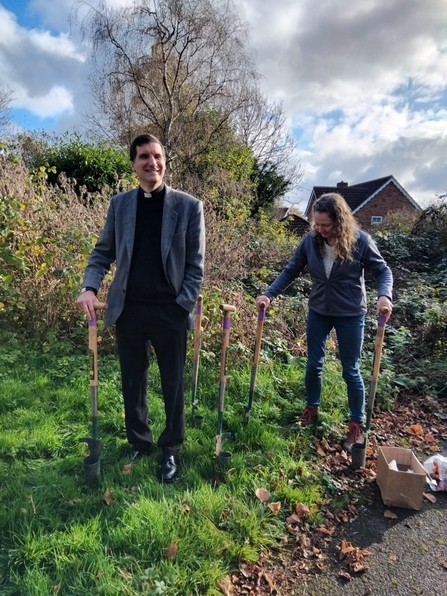
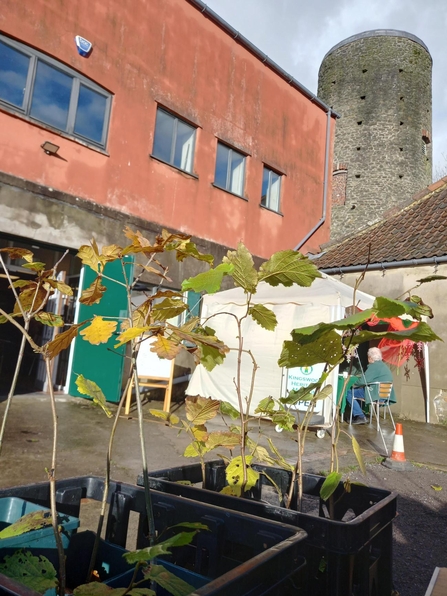
Local events are a great way to bring people together, such as fungi walks, bulb and tree planting.
We're in the second year, we're coming up to the end of the second year. We've got around 200 households signed up for the community nature reserve and our target was 50% of 571 households.Avon Wildlife Trust

WildNet - Irene Greenwood
Frampton Cotterell Nature
This group first formed to help local people connect with nature and improve habitats for wildlife. David began by running local nature events and is now the Community Nature Officer for the Local Parish Council, which supports climate and nature projects and leads the Community Nature Reserve to meet local biodiversity goals from their action plan, to help nature thrive locally.
Local garden owners share what they're doing for nature, linking with management plans for churchyards, playing fields and other green spaces. Volunteer activities and events support the Community Nature Reserve, including the hedgehog group, swift and house martin group, and moth club.

Sophie Bancroft
Bath: Lambridge and Walcot Community Nature Haven
Sarah Skeels started transforming her front garden on a busy road in Bath, into a nature-friendly space. She added chalkboard signs to show what she was doing, which sparked conversations and inspired neighbours to join in. These small patches of habitats were creating a network of green corridors and community connections, supporting pollinators, birds, hedgehogs and countless other species struggling to find space in our urban environments.
By viewing their neighbourhood as part of a wider ‘Community Nature Reserve’, they created a rich mosaic of connected habitats. Not every garden needs a pond or wildflower meadow, what matters is diversity, visibility and connection.

(c) Derek Moore
Totterdown Urban Nature Reserve, Bristol
Penny, Totterdown resident, knew that wildlife gardening in spaces of all sizes, especially small gardens, brought people together and built resilience. Being part of TRESA (Totterdown Residents Environmental & Social Action, CIC) and the Wildlife Champions programme, gave her the support and motivation to set up a Community Nature Reserve. She also wanted to focus on encouraging the hummingbird hawk moth.
Locally, there are many private gardens of all sizes between Victoria Park and Arnos Vale Cemetery, acting as a green corridor. "In a landscape of concrete and noise, even small front and back gardens offer shade, water, shelter and places for wildlife to rest or nest". They have an iNaturalist project, with over 275 species recorded called ‘Totterdown Urban Nature Reserve’.
Find out more, add your house if local, grow pollinator‑friendly plants to share or swap:
Totterdown Urban Nature Reserve webpage
Totterdown Urban Nature Reserve Instagram

(C) Penny Frith
Winterbourne Community Nature Reserve
Winterbourne Parish Council Community Nature Reserve was set up to encourage people to garden for wildlife, aimed at private gardens and council‑managed land. Locals are encouraged to register their patch. The Parish Council is also enhancing nature‑rich areas as part of its Local Climate and Nature Action Plan, working closely with South Gloucestershire Council.
Resources
Greater Bedminster Community Nature Reserve Registration Form


(C) Hannah Bunn
Be part of Team Wilder
All actions for nature collectively add up and creates life for people and wildlife.
Share your actions for nature, like Tom by sharing and tagging @avonwt on social media and
Log your actions for nature on the map

