

Sophie Bancroft
Kate's Nailsea family garden
How One Nailsea Garden is Adapting and Thriving
Kate lives on a small, quiet street of around 11 houses in Nailsea. Like many families, she and her partner work full time and juggle the busy schedules with two children (aged 13 and 10). They’re interested in nature, climate resilience, and doing the right thing - but, like most people, time is a big challenge to do more.
Kate’s home and lifestyle already demonstrate great foundations for a resilient, wildlife‑friendly space, and she’s keen to take further steps when time allows. They love their cargo bike, which is great for sustainable travel and are keen to do more to benefit their lives and the local area.
Here are some actions that are being taken or are on the ‘to do’ list. Small actions make a big difference collectively and starting with small steps is recommended.

Sophie Bancroft
Harvesting Rainwater
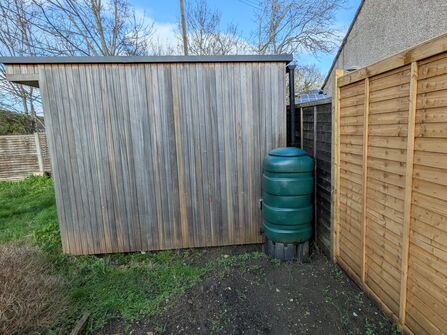
The family installed a water butt recently to collect rainwater for garden use, supporting both water conservation and reducing surface‑water runoff. This helps their garden in summer droughts and reduces localised flood pressure.
TIP: The leaky hosepipe is a technique used by large gardens to assist with watering, but it can be used on a small scale to manage water effectively. This technique involves a hosepipe with small holes throughout, amd is attached to the water butt. The hosepipe slowly releases water around the garden and keeps the water butt low enough to take in excess water during heavy rainfall.
Sophie Bancroft
Sophie Bancroft
Planting Fruit Trees
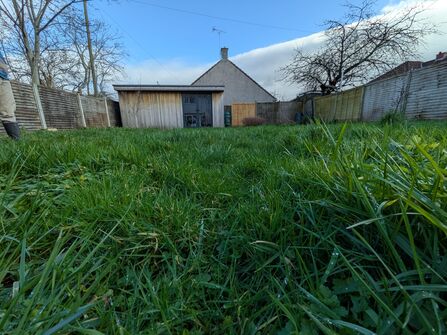
The family have already planted several young fruit trees in the garden, adding shade for the future and providing food and habitat for wildlife. The fruit tastes good as well!
Avoiding Plastic Grass
Sometimes an action is to NOT do something, like adding artificial turf. Choosing natural surfaces supports good soil health, drainage, and biodiversity. Artifical turf does the opposite by sealing off light and air to the soil and preventing the soil ecosystem to function. It also sheds microplastic particles, absorbs heat during the summer and cannot be recycled effectively.

Sophie Bancroft
Sophie Bancroft
Permeable Paving for Bike‑shed Area
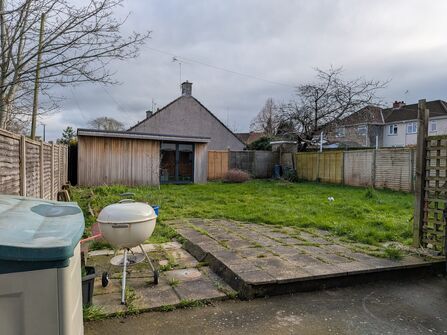
Kate is looking to replace the existing paved strip beside the bikeshed with a permeable surface that feels more in tune with her garden. Instead of rainwater rushing off into the drains, the new surface will let it soak gently into the ground. It’s an effective upgrade that will help their family garden cope better through dry spells and make wet winter weather feel more manageable.
Choosing permeable paving doesn’t just help in her own garden, it also slows and absorbs rainwater that would otherwise run into drains and add to local flooding. By letting water soak naturally into the ground, it relieves pressure on drainage systems and supports the wider neighbourhood, especially during heavy rainfall.

Sophie Bancroft

Sophie Bancroft

Sophie Bancroft

Sophie Bancroft

Sophie Bancroft
Wildlife Gardening Advice: Vertical Greening
Wildlife gardening holds many benefits for the garden, local wildlife and wider landscape while functioning alongside family needs.
Kate is keen to add climbing plants along fences, using nature to cool the garden during summer, provide shelter for wildlife, and improve the look and feel of the garden.
Climbing plants like honeysuckle, jasmine (multiple plants spaced along the fence), ivy (non‑invasive varieties or controlled growth) and wild clematis (Clematis vitalba) can create an amazing scent for your garden and are loved by many creatures from butterflies to bees.
Mini Meadow
A mini meadow brings movement, colour, birdsong, and butterflies into everyday life, making the garden feel alive. It also reduces maintenance demands (less mowing) after initial planting, giving the family more time and opportunity outdoors to notice nature and seasonal change.
A mini meadow supports biodiversity, cleaner air, and climate resilience. It gives power to the pollinators and boosts soil health.
Mini meadow packs are available from Grow Wilder and are suitable for beginners: you don't need any wildflower knowledge or experience to make this work. The pack includes over 25 species of seeds and plant plugs, which you add to turned grass in spring or autumn.

Sophie Bancroft
Pond or water feature
A wildlife pond or mini‑pond is recommended to increase biodiversity. Water is life! Adding a pond will attract dragonflies, damsel and frogs, as well as supporting birds, bats and hedgehogs.
If an area is prone to flooding, or the edge of an existing pond can become a bog garden. By adding plants that thrive in damp or waterlogged soil, you can support wildlife and add colour to your garden. Marsh marigold, cuckooflower and ragged robin are good examples.
Hedges & log piles
Mixed native hedges along one of the fences would provide structure, climate resilience, and habitat creation, instead of or as well as vertical gardening. A few standalone shrubs could also break up the large open space in the back garden. Log piles and deadhedges, created with branches and sticks from tress and hedges are simple, easy wins for insects and soil health.
Connectivity
Opening up fenced private gardens helps wildlife move and connect to the wider green corridor network in Nailsea and beyond. Small changes, such as leaving gaps in fences or replacing solid boundaries with native hedges, can make a significant difference.
Green corridors are linear green spaces that link natural habitats, allowing wildlife to move more freely between areas. This improves access to food, water, shelter and mates, helping wildlife populations remain healthy and enabling ecosystems to function more effectively.
One idea is to create a hedgehog highway by making small holes in garden fences, allowing hedgehogs and other small animals to move safely between gardens.
Gravel front garden
The front garden is mostly gravel and has some nice habitat, especially for bee's and butterflies. For gravel areas, suitable low-maintenance plants include viper’s bugloss and kidney vetch. The combination of these wildflowers would provide nectar and larbal food plants for pollinators such as the small blue butterfly. Local birds would also benefit.
The gravel helps to relieve pressure on the local drainage system, combined with deep-rooted natives reduce surface runoff compared to paving. Gravel plants are climate-resilient as they thrive in poor, dry, well-drained soils. They look great as well and inspire other people.

Sophie Bancroft
Engagement with others
Noticing changes in neighbours’ gardens and encouraging sustainable practices, especially in visible front gardens, can help make climate adaptation a more of a social norm and could help connect others on the street who share similar values.
Involvement with local community groups is also a great way to get inspiration and share actions for nature. Time constraints from busy lives, especially for Kate, means that she helps out and attends local groups when possible. Nailsea Climate Emergency Group are active in sharing information and bringing people together to encourage change. More groups are listed from Zero Carbon North Somerset who also bring people together to build collective power.
Working in this collaborative way we can make the landscape more resilient to the impacts of climate change… This will hugely benefit the communities who live and work here.Avon Wildlife Trust
Links to the wider work on the North Somerset Levels & Moors (NSLM)
Slowing the flow: By installing a water butt, avoiding plastic grass, and planning permeable paving, Kate reduces rainwater runoff from her home. This helps to prevent local drainage systems from being overwhelmed, whilst improving soil health locally by allowing water to naturally filter into the ground. Avoiding the use of any harmful chemicals such as herbicides, pesticides and car shampoos is also important, ensuring water which does drain away is clean and won’t harm the local wildlife.
The Flood hub’s ‘Unpave the Way’ resources
Supporting peatland recovery: The Moors’ peatlands are vulnerable to fast, dirty runoff from higher ground like Nailsea. Kate’s choices to hold water back in her home and garden echo the large‑scale 'slow the flow' measures that allow peatlands to rewet (through a slower, more sustainable supply of water) and recover – as healthy peatlands are wet peatlands.
Growing nature networks: Trees, climbing plants, and wildlife‑friendly gardening create small patches of habitat that collectively make a huge difference. If neighbours did the same, these connected 'patchwork habitats link nature across farms, roadsides, and communities.
Taking climate‑resilient steps at home: The NSLM programme helps landowners adapt to drought, heat and flooding. Kate’s actions like planting fruit trees for shade, adding permeable surfacing and improving soil health are the home‑scale version of these same resilience measures.
Inspiring others: By starting conversations and sharing actions taken, Kate and her family are helping build a culture of small, visible changes. This mirrors NSLM’s approach of empowering communities to adopt nature‑positive, climate‑resilient practices.

Sophie Bancroft
In summary
Kate’s everyday actions at home, like harvesting rainwater, installing permeable ground and planting trees, follows key principles being used across the North Somerset Levels & Moors as part of landscape-scale efforts to slow water, support peatland recovery, and strengthen nature networks.
In Nailsea, where urban runoff ultimately ends up on the Moors, these small steps add up. Her home shows how simple, achievable actions can collectively make a big difference for local climate resilience and nature's recovery.
By adapting the landscape, we will protect these wonderful wetlands and give nature a chance to thrive across the North Somerset Levels and Moors once again.Avon Wildlife Trust
Resources


(C) Hannah Bunn
Be part of Team Wilder
All actions for nature collectively add up and creates life for people and wildlife.
Share your actions for nature to inspire and motivate others.
Talk about what you do to make these actions part of everyday life.
Share and tag us on @avonwt on social media as well.
Log your actions for nature on the map


