

Sophie Bancroft photo of Tom Wilmott's pond
Creating & Maintaining Ponds: Team Wilder
Ponds are amazing for wildlife
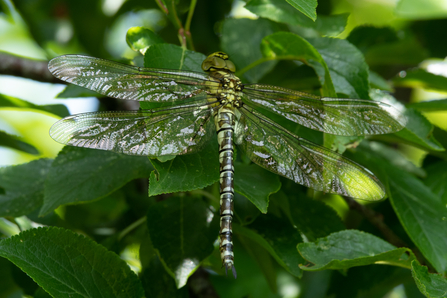
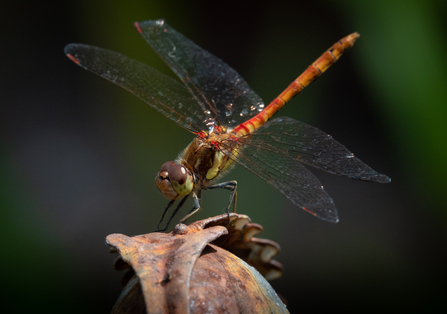
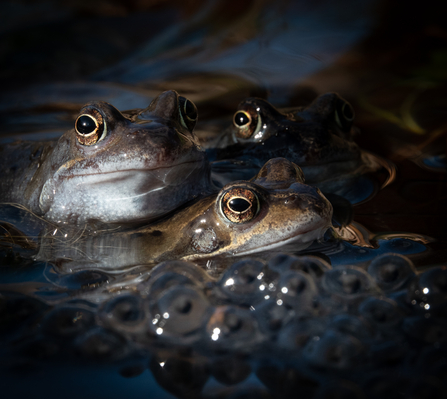
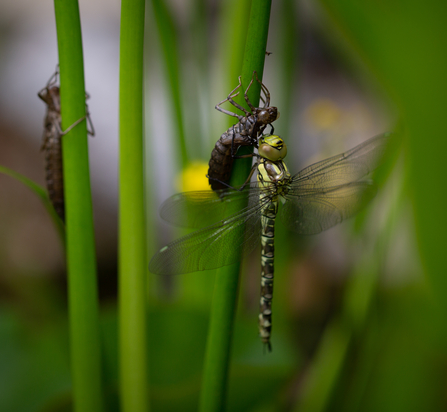
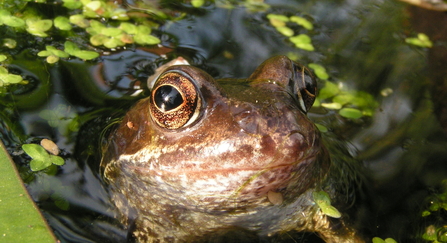
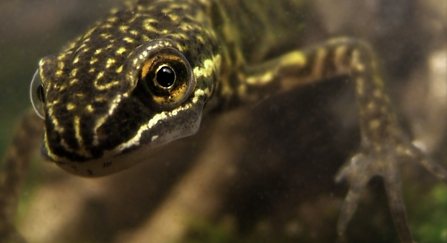
Adding a pond is one of the best things you can do for wildlife in your garden or outdoor space, even a small pond can attract wildlife, including dragonflies, damsel and frogs. They also become a feeding ground for birds, bats, hedgehogs - who are amazing pest controllers!
Stephanie Chadwick
Stephanie Chadwick
Stephanie Chadwick
Stephanie Chadwick
Stephanie Chadwick
(c) Chris Lawrence
Richard Burkmar
Arwen Burns
Alan Price
Start with a mini pond
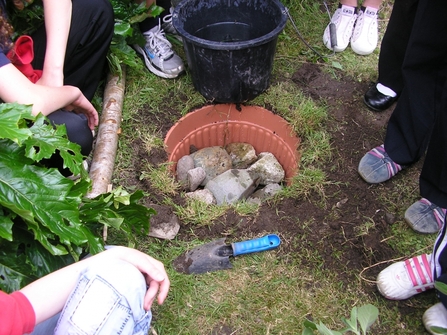
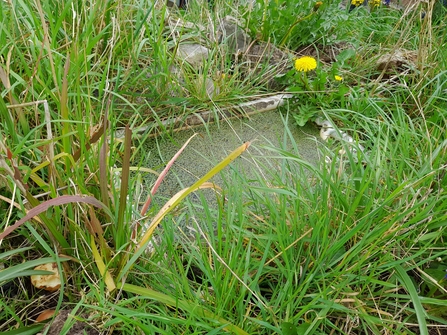
Your outdoor space will benefit from a pond of any size - a washing up bowl, an old sink or a large plant pot would do the trick. Check out local examples and a video about how Jean in Warmly created a mini pond in her garden.

Avon Wildlife Trust
mini_pond_credit anna william
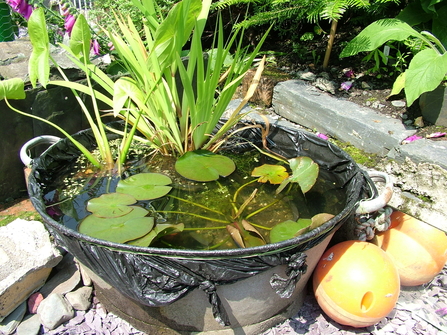
Beautiful Mini Pond by Anna Williams
Sophie Bancroft photo of tom Wilmott's mini pond
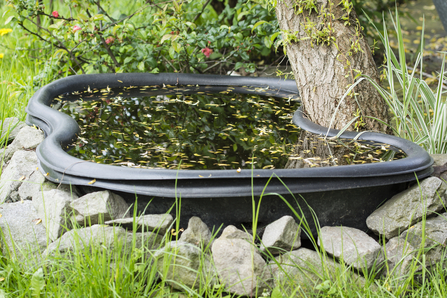
T Lapis2380 Pond Shutterstock
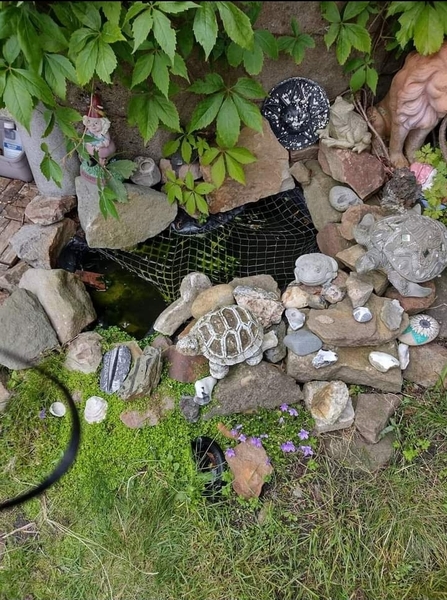
Arwen Burns
Creating a larger pond
Here are some tips from people who have created larger ponds:

Sophie Bancroft photo of Tom Wilmott's pond
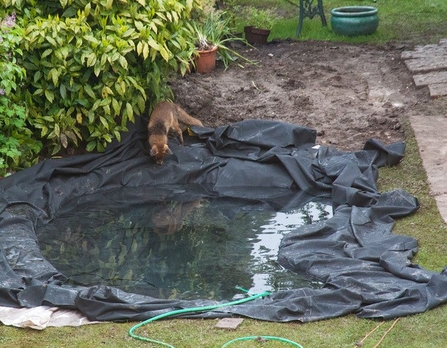
1. If you are worried about smaller people or pets, consider covering your pond with a wire grid that also allows frogs in and out, or if it is larger, a fence to surround it. Avoid netting as animals might get caught.
2. Avoid sharing water between ponds, as this can transfer disease or invasive species.
3. It’s best not to add fish to your pond as they can pollute the water and eat the other plant and animals.
4. You can start your pond at any time of the year, but autumn and winter are best to see a flurry of activity in spring.
5. A 2m x 2m and 60cm deep garden pond is perfect for overwintering frogs. A mini pond 20-30cm-deep will also be valuable for wildlife. Add extra depth to allow for soil or sand at the bottom on teh pond for pond plants.
6. Adding lavender or barley straw to your pond in spring can help keep it free of algae and blanketweed. Remove the straw at the end of the season to avoid it rotting.
7. Tom Wilmott in BS3 cleverly added an old apple tree branch over his pond, which is used as a perch by dragonflies. Read about his pond in his BS3 Urban Wildlife Garden.
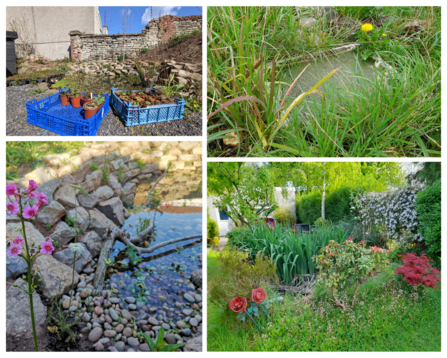
Sophie Bancroft, Tom Wilmott
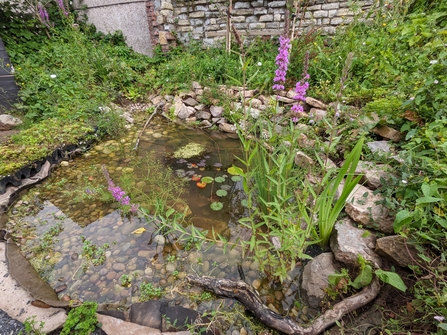
#pondgoals
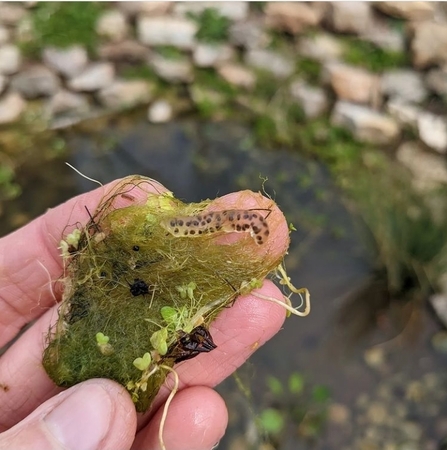
Tom Wilmott Pond Snail Eggs
Sophie Bancroft photo of tom Wilmott's mini pond
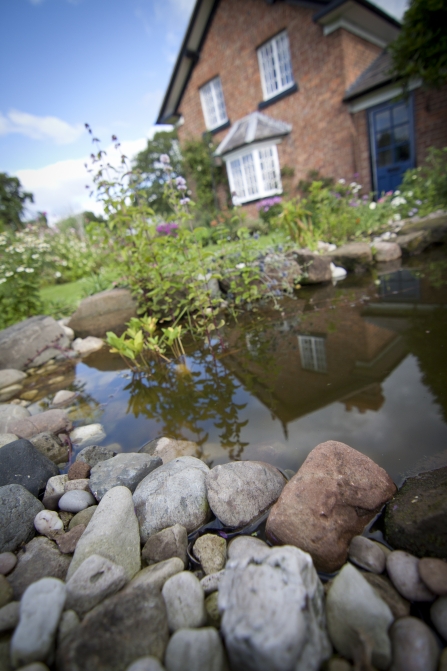
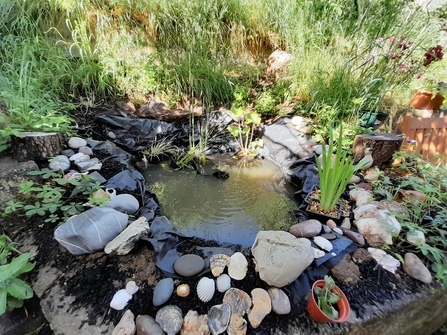
Hamilton Wright Pond: Sophie Bancroft
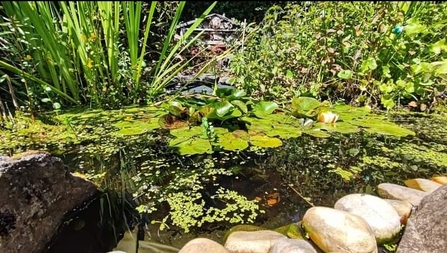
Joe Clarke
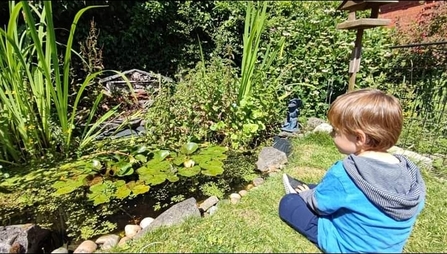
Joe Clarke

T Lapis2380 Pond Shutterstock
Mini Ponds
How to Create a Mini Pond
#pondgoals
Building a Pond
How to build a pondBut what makes a good wildlife pond?
We know that ponds are amazing for wildlife and that size doesn't matter, even small spaces can be important stepping stones for wildlife. Here’s what makes a pond really good for wildlife:
Varied depths for varied life
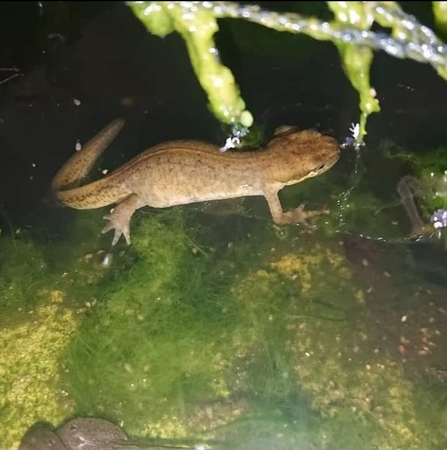
The best ponds have a mix of shallow edges and deeper areas. Shallow margins let plants flourish and give amphibians and insects safe places to feed, shelter and lay eggs, while a deeper middle zone provides essential open water for species like newts during their breeding displays.
Plenty of sunlight
Good wildlife ponds are open to the sun. Avoiding shade from trees helps oxygenating plants grow, keeps water chemistry stable, and reduces the build‑up of leaves and silt that can eventually choke a pond.
Native pond plants
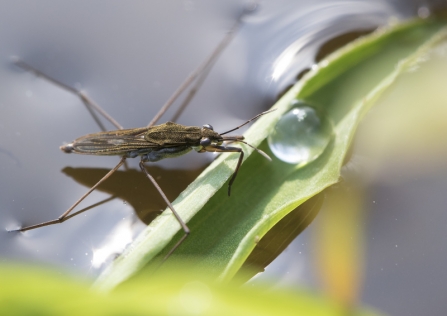
A mix of submerged, floating and marginal plants creates a healthy, balanced pond. They oxygenate the water, provide cover, offer egg‑laying spots for newts and frogs, and support insects like dragonflies, beetles and water boatmen. The Grow Wilder wildflower nursery has a great selection of pond plants.
No fish, please!
Fish quickly disrupt wildlife ponds by stirring up silt, reducing water clarity, and eating amphibian eggs, tadpoles and invertebrates. Keeping ponds fish‑free allows sensitive species to thrive.
Clean, low‑nutrient water
Healthy ponds rely on good water quality, especially low nutrient levels. Too many nutrients lead to algal blooms and oxygen crashes (eutrophication). Creating a vegetated buffer zone around the pond helps filter runoff and protect the water quality.
Seasonal drying is natural
Dried out ponds are important habitats. Temporary ponds often support more wildlife, such as amphibians because periodic drying creates a new habitats and prevents fish from establishing.
A connected habitat
A great pond becomes a stepping stone for wildlife across neighbourhoods, especially when surrounded by wildflowers, grasses and shrubs. Together, these features boost biodiversity, help species move across landscapes, and create a richer ecosystem overall. Gardens need connectivity with native hedges or holes in fences to allow wildlife to survive by accessing resources.

Pond Tom Wilmott, Grow Wilder purchases
Creating a pond
Useful Info when Adding a PondHow to Maintain a Pond
First of all - congratulations for having a pond in the first place, you are already taking action for nature. And secondly, great news that you want to improve and maintain your pond area.
Grow Wilder have amazing advice and pond and bog plants for sale in their nursery.
Spring jobs
- Put in barley straw pads to help reduce problems with algae.
- Try not to disturb your pond too much at this time, there is a lot of activity below the surface.
- Introduce any new plants where needed from mid-spring. You can divide plants and compost any excess.
- Tidy submerged plant regrowth.
- Remove winter debris carefully. There may have been further growth of submerged plants since the autumn clearance.
TIP: When removing plants and debris from a pond, leave it on the edge of the pond for 1-2 days to allow aquatic creatures to get back into the pond. This includes dragonfly and damselfly larvae, newts, froglets, snails and beetles.
Summer jobs
- Evaporation is normal, but if water levels drop low, top it up with rain water.
- Keep grass around the pond long to shelter young frogs.
- Cut back vigorous plants and remove duckweed. Blanketweed can also be pulled out in small amounts at a time, but be careful to check for trapped newts, water boatmen, or other creatures. If you notice this, swill the weeds in a bucket with pond water before adding the wildlife back to the pond.
- Take a moment to notice and enjoy the pond life!
- Remove leaves before they start to rot.
Maintaining a pond in Autumn & Winter
Autumn jobs
If need to carry out any maintenance work, such as removing silt, do it now while the pond is less active. Autum is a good time of year for vegetation removal. Plants will also die back at this time. Allow the pond enough light by removing excess fallen leaves and cutting back overhanging branches.
Winter jobs
Minimal work is needed during winter. Freezing over is normal and unlikely to reduce oxygen levels too much in a healthy pond. A mini pond could be insulated with bubble wrap, kept close to the house, or sunk into the ground to help prevent it freezing. Avoid smashing the ice as shards could cause damage. If your pond is the only drinking source for wildlife then leave a ball in the water to keep an ice free section near the edge. Alternatively melt a hole by holding a pan of hot water on the surface. Brush off any fallen snow from the surface of your pond to allow light to reach the water.
Quick talk about creating a pond in Bristol, BS9
The recording below features Stephanie's talk about her garden pond.
Team Wilder Community Campfire: Spring, Stephanie
Pond FAQs from the Team Wilder Community Ecologist
Q: How can I protect my pond from children (at home) or dogs (community ponds)?
A: A hedgerow can also be planted around the pond to form a natural barrier from dogs or children. Or create a dead hedge, which can limit or prevent access points to the pond. Team Wilder dead hedges and natural barriers
Q: How do I combat blanket weed? It wants to take over!
A: Barely straw - leave it for 6 months then remove when turns black. 10g per square metre. Take it out then add oxygenating plants (free floating plans). Freshwater Habitats Trust have an advice sheet for blanket weed on the resources below.
Q: I need to clear my pond - how and when should I do this?
A: For the clearance of plants: if the pond is becoming overgrown with sedges etc. then clear a third each year, to allow more open water. Do this in areas of the pond where it will make the biggest difference. Don't clear it all in one year as this disturbs wildlife.

Vicky Nall
Q: Can my pond be in the shade or under a tree?
A: Make sure that the whole pond isn't completely shaded. You want some sunny parts and some shade areas. Don't locate ponds directly under trees - you might need to prune the branches if they're blocking out light. Also leaves that fall from the tree will add unwanted nutrients and material to the pond.
Q: How do I find out more about the water quality in the pond?
A: You can assess the water quality by pond dipping and using the Field Studies Council pond guides.
Q: Do I need a large space for a pond?
A: No! A pond is one of the best things you can do for wildlife in whatever sized space you have. Balconies are great to have a small bowl of water (check maximum weight capacities) as well as on patio's and gardens of all sizes. Create a pond and see for yourself how much this supports wildlife.
Resources


Freshwater Habitats Trust advice sheet for ponds, including blanket weed

Be part of Team Wilder
All actions for nature collectively add up and creates life for people and wildlife.
Share your actions for nature, like Tom by sharing and tagging @avonwt on social media and
Log your actions for nature on the map

