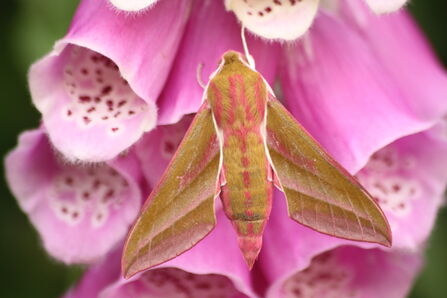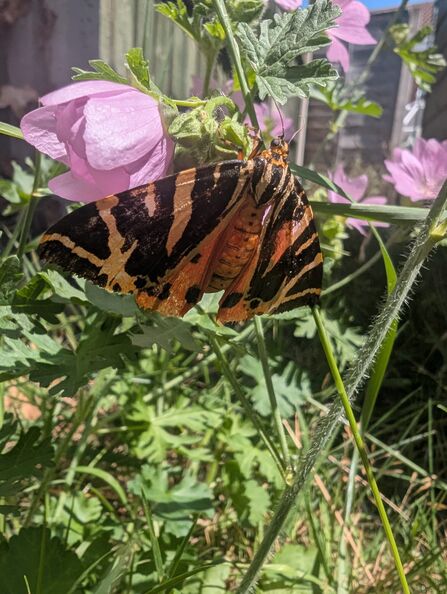

Most people love butterflies but shy away from moths. Last week, I was at a wedding in the countryside when one of my friends became frightened by a moth that had flown towards the lights. Yet, if it had been a butterfly, they would probably have admired it instead. That moment made me wonder: why do we treat these close relatives so differently?
Moths are every bit as colourful, fascinating and important as butterflies. While butterflies steal the spotlight during the day, moths quietly take over the night, pollinating flowers, providing food for bats and birds, and helping our ecosystems thrive. They are the unsung night managers of places like Avon Wildlife Trust’s Grow Wilder nature reserve, carrying out essential work while most of us are asleep.
This National Moth Week, it's time to look beyond the myths and give these remarkable insects the appreciation they deserve.
First, what is National Moth Week?
National Moth Week is an annual celebration of moths that takes place during the last full week of July, when warm summer nights provide the perfect conditions for many species to be active. During the week, wildlife organisations, conservationists and nature enthusiasts set up light traps to gently attract moths overnight. The moths are then identified, recorded and safely released the following morning.
These records help us monitor moth populations, understand how wildlife is changing over time and inform conservation efforts. They also give people the chance to discover the incredible diversity of moths that often goes unnoticed after dark.