A wildlife haven in a small Warmley garden

A wildlife haven in a small Warmley garden

Kingsway park meadow (C) Kelly Bray

When Madeleine moved into her home, the outdoor space was little more than a small patch of artificial grass. Today, it’s a thriving wildlife haven, full of colour, movement, and life.

Creating a Wildlife Haven in a Small Garden 

When Madeleine moved into her home, the outdoor space was little more than a small patch of artificial grass. Today, it’s a thriving wildlife haven, full of colour, movement, and life. With just a few thoughtful changes, she has transformed a compact garden into a sanctuary for birds, insects, and even foxes. 

Building the Foundations of a Mini Meadow 

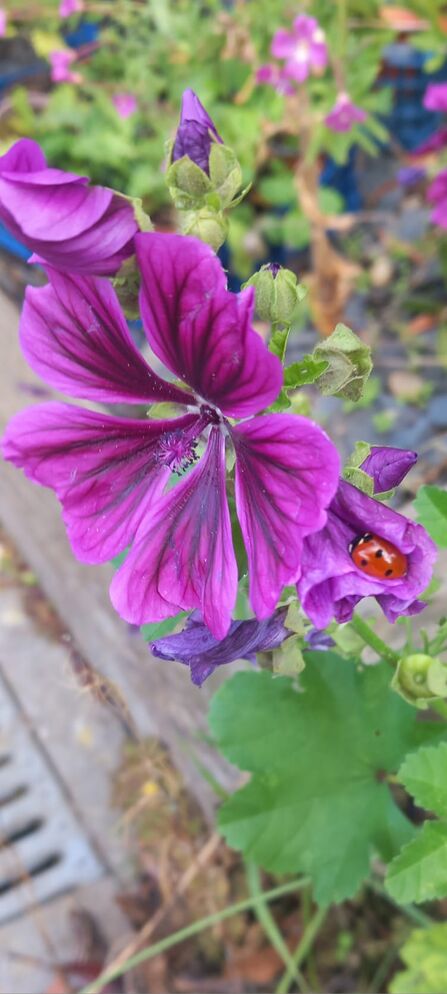
After receiving some initial support (from AWT) to plan her garden, Madeleine began by planting wildflowers, adding a couple of small trees, and installing bird feeders, bird boxes, and a bee house. She replaced a section of lawn with red clover, creating a soft, rich habitat for pollinators. 

One of the standout features is the small front garden meadow she created. 
“I’ve seen wildflowers I’d never seen before,” she says. “It’s brilliant for bees and insects—and it’s beautiful. Much nicer to look at than cars or gravel.” 

Removing the artificial turf proved to be the biggest challenge. “It just doesn’t break down,” she explains. “But once that was gone, the rest was easy. Wildflowers prefer poor soil, so I didn’t have to do much to prepare the ground.” 

Flowers growing in garden

Madelein

A Garden Teeming with Birds and Beyond 

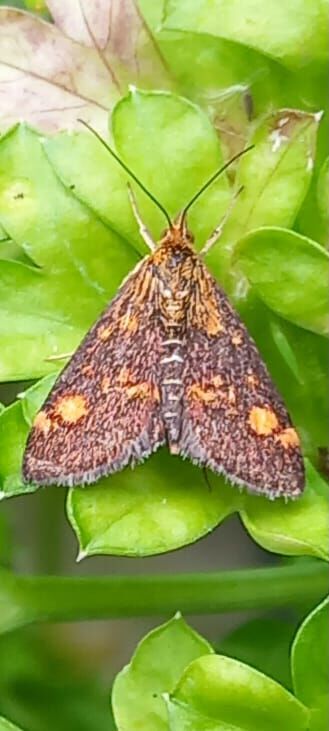
Madeleine’s efforts quickly paid off. The back garden now attracts blue tits, blackbirds, wrens, robins, and pigeons, supported by multiple bird boxes and feeders. She has also installed swift boxes at the front. 

Her garden, however, is home to more than birds. 
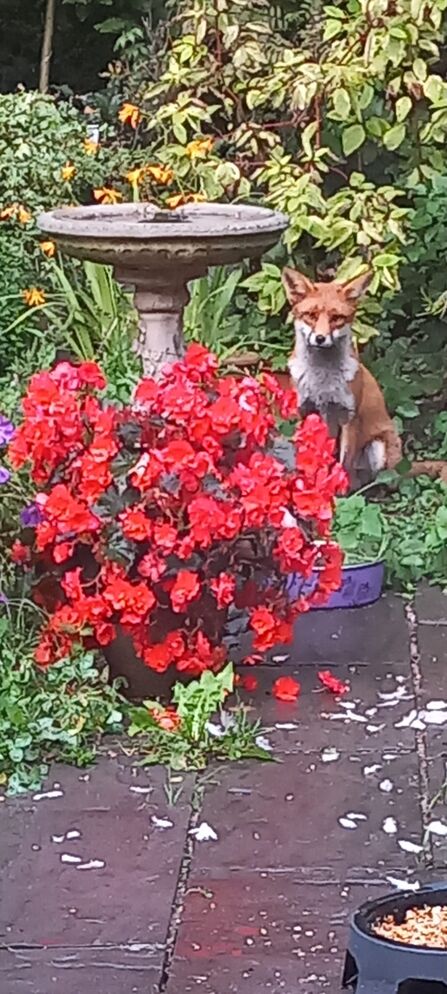
“We have squirrels, and two foxes have visited every evening for the last five years,” she says. “The vixen has raised two litters here. One year she even brought her cubs to play.” The foxes respond when called and have become familiar visitors. 

A small pond—complete with donated tadpoles—adds even more life. “It’s tiny, but it supports so much,” Madeleine says. “We didn’t even have slugs or snails when we started, and now the garden is full of activity. It feels alive.” 

Big Benefits in a Small Space 

Madeleine’s garden is proof that even the smallest outdoor area can support wildlife. Her advice to others? 

  • Plant a small tree if space allows—perfect for birds to shelter and perch.
  • Add bird feeders with fat balls, peanuts, and seed mixes to attract a variety of species.
  • Provide water: a shallow dish with pebbles helps both birds and bees drink safely.
  • Leave wild corners—a few nettles or patches of long grass provide essential habitat for insects.
  • Include access points by making a small hole in fences for hedgehogs or other garden visitors. 

Find out more about the Warmley Community Nature Reserve

“It doesn’t take much. Our space is tiny, but there’s so much life now. Anyone can create that - just start small and let nature do the rest.”
Madelein
Warmley Community Nature Reserve